
NFC Business Card: Smart Networking in One Tap
The Business Card Is Getting a Brain
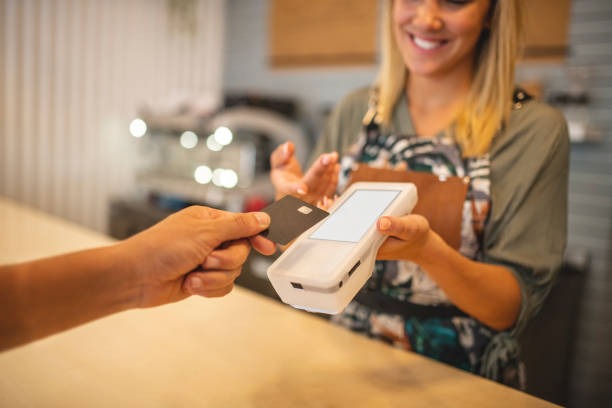
Imagine walking into a networking event, meeting someone fascinating, and instead of fumbling through your wallet for a paper card that might end up in the trash by Tuesday — you simply tap your card to their phone. In less than a second, your name, contact details, portfolio link, LinkedIn profile, and even a short intro video pop up on their screen. No app required. No typos. No lost connections.
That’s the magic of an NFC business card — and it’s quietly revolutionizing the way professionals introduce themselves to the world.
What Exactly Is an NFC Business Card?
NFC stands for Near Field Communication, a short-range wireless technology that allows two devices to exchange data when held close together — usually within a few centimeters. You’ve already used NFC without realizing it: every time you tap your phone to pay at a checkout counter, that’s NFC doing its thing.
An NFC business card works on the same principle. Embedded inside a sleek card — made from PVC, metal, bamboo, or even recycled plastic — is a tiny NFC chip. When someone taps that card against a smartphone (Android or iPhone with iOS 13 and above), it instantly opens a digital profile, website, vCard, or any custom URL you’ve programmed into it. No scanning. No downloading. Just one tap and done.
How Is It Different from a QR Code Card?
A lot of people ask this, and it’s a fair question. QR code cards and NFC cards both serve the same basic goal — sharing information digitally — but they do it in very different ways. QR codes require the recipient to open a camera app, hold it steady, and wait for it to focus. NFC is faster, smoother, and feels considerably more impressive in person.
That said, many smart NFC business cards now include both a QR code and an NFC chip, giving you the best of both worlds. If someone has an older device that doesn’t support NFC well, they can still scan the QR code. It’s a thoughtful backup that ensures nobody gets left out of the loop.
The Technology Behind the Tap
Inside every NFC business card sits a small, flat antenna coil and a microchip — together forming what’s called an NFC tag. The most common standard used in business cards is NTAG213 or NTAG216, part of the NFC Forum’s tag specifications. These chips are passive, meaning they draw power from the electromagnetic field of the scanning device. There’s no battery inside your card, which means it never runs out of charge and has a virtually unlimited lifespan.
The chip stores a small amount of data — typically a URL — that gets triggered the moment a compatible device comes near. That URL can point to a dynamic digital profile page hosted on platforms like HiHello, Popl, Blinq, or a custom-built webpage. Because it’s a URL at its core, you can update what it points to at any time without ever replacing the physical card.
Why Professionals Are Making the Switch
The traditional paper business card has a surprisingly high failure rate. Studies on networking effectiveness suggest that a significant portion of paper cards are discarded within a week of being received. They fade, get crumpled, and offer no way to track whether the connection ever went anywhere. NFC business cards solve several of these pain points at once.
First, they’re updatable. Change your job title, phone number, or company? Log into your dashboard and edit your profile. The card in someone’s hand will always reflect the latest version of you. Second, they’re trackable. Most NFC card platforms offer analytics, so you can see how many times your card was tapped, when, and from where. That kind of data is gold for sales professionals and entrepreneurs. Third, they’re memorable. Handing someone a sleek metal NFC card leaves a lasting impression in ways a flimsy paper card simply cannot.
Who Benefits Most from NFC Business Cards?
While NFC cards are useful for virtually any professional, certain groups gain the most from adopting them early. Sales representatives who attend trade shows and conferences benefit enormously because they meet dozens of people in a single day and need a frictionless way to share information and follow up. Freelancers and creative professionals — designers, photographers, consultants — can link directly to their portfolios, letting their work speak the moment the tap happens.
Real estate agents, financial advisors, recruiters, and startup founders all have strong use cases too. Even healthcare professionals are beginning to explore NFC cards as a way to share clinic information and appointment booking links quickly and hygienically. Essentially, if your work depends on building and maintaining relationships, an NFC business card belongs in your toolkit.
Setting Up Your NFC Business Card
Getting started is simpler than most people expect. You purchase an NFC card from providers like Popl, V1CE, Linq, Mobilo, or dozens of other vendors. Once your card arrives, you either use the provider’s app or web platform to program the chip — usually by scanning the card with your own phone first to claim it, then filling out your profile details.
Most platforms let you create a digital profile page with your photo, contact information, social media handles, website links, video introductions, and even payment links. Once you’ve set it up, you tap your card on any NFC-enabled phone and it opens instantly in the browser — no app download required on the recipient’s end. That zero-friction experience is a core reason why NFC cards are growing so rapidly in adoption.
NFC Cards in a Corporate Environment
Many companies are now issuing NFC business cards to their teams as part of a unified brand experience. Enterprise platforms like Mobilo and Popl for Teams allow administrators to manage employee profiles centrally, ensuring consistent branding while allowing individuals to personalize their own contact information. When an employee leaves the company, their card can be deactivated instantly from the dashboard — something that’s impossible with printed cards.
This centralized control is especially appealing to HR departments and marketing teams who want to maintain brand consistency across hundreds or thousands of employees. The built-in lead capture and CRM integration features — connecting with tools like Salesforce, HubSpot, and Zoho — make NFC cards a genuinely powerful sales enablement tool, not just a novelty item.
Are NFC Business Cards Secure?
This is a concern worth addressing directly. NFC tags can theoretically be read by anyone with an NFC-enabled device in close proximity, but in practice, the range is so short (a few centimeters) that accidental reads are virtually impossible in normal situations. The data stored on the chip is typically just a URL — not your private information. Your actual contact details live on the profile page that URL points to, which you control entirely.
Some premium NFC card platforms also offer password-protected profiles and the ability to disable your card remotely if it’s ever lost or stolen. From a security standpoint, NFC business cards are considerably safer than carrying paper cards that display all your personal information permanently and with no ability to revoke.
The Environmental Angle
Here’s something paper card advocates rarely consider: the environmental cost of printing. Billions of paper business cards are printed globally every year, and a staggering proportion of them end up in landfills within days of being distributed. NFC cards, by contrast, are long-lasting — often for years or even decades — and many are now manufactured using recycled materials, bamboo, or sustainably sourced wood.
One NFC business card can replace thousands of paper cards over its lifetime, making it a meaningfully greener choice for eco-conscious professionals and companies with sustainability commitments. Some providers even highlight their carbon offset programs as part of their brand story, which aligns perfectly with the values of modern consumers and business partners.
Frequently Asked Questions
Do NFC business cards work with iPhones? Yes. iPhones running iOS 13 and later (iPhone XS and newer) can read NFC tags without any special app. Simply hold the card near the top of the phone and it reads automatically.
Can I update the information on my NFC card after purchase? Absolutely. Most NFC business card platforms let you update your digital profile anytime through a web dashboard or mobile app. The physical card never needs to be replaced.
What if someone’s phone doesn’t support NFC? Many NFC cards come with a QR code as a backup. Recipients can scan the code using their phone’s camera to access your profile just as easily.
How long does an NFC card last? NFC chips have no battery and no moving parts, so they can last decades under normal conditions. The card material (metal, PVC, wood) typically determines the physical durability.
Is there a monthly fee for NFC business cards? It depends on the platform. Some providers charge a one-time fee with free basic features. Others offer monthly or annual subscriptions for premium features like analytics, CRM integration, and team management.
Can I make my own NFC business card? Yes, if you’re technically inclined. You can purchase blank NFC cards or stickers, program them with a free NFC writing app to point to any URL you choose, and design the physical card yourself. However, managed platforms offer far more functionality and ease of use.
Are NFC business cards worth the cost? For most professionals, yes. A single NFC card typically costs between $15 and $50 and lasts for years, making it far more cost-effective than repeatedly reprinting paper cards — especially when you factor in the added benefits of analytics, updateability, and a stronger first impression.
Leave a Comment