
Aluminum Frame Systems for High-Precision Engineering Projects
Introduction
High-precision engineering projects demand materials that deliver accuracy, stability, and long-term reliability. Whether used in automation systems, manufacturing facilities, clean rooms, or advanced research environments, structural components must meet strict performance standards. Aluminum frame systems have become a leading choice in precision engineering due to their dimensional accuracy, strength-to-weight ratio, and adaptability. The growing reliance on 鋁架 solutions reflects the industry’s need for materials that support exacting tolerances while remaining efficient and scalable.
Why Precision Engineering Requires Specialized Frame Systems
Precision engineering focuses on achieving exact measurements, repeatability, and structural consistency. Even minor deviations can affect equipment performance, safety, and productivity. Traditional materials may introduce challenges such as deformation, excessive weight, or inconsistent quality. Aluminum frame systems address these issues by offering uniform profiles manufactured to tight tolerances.
The stability of aluminum under controlled loads ensures that structures remain aligned over time. This is especially important in environments where machinery, robotics, or sensitive instruments must operate without vibration or misalignment. As a result, 鋁架 systems are frequently used in applications where precision is non-negotiable.
Dimensional Accuracy and Modular Design
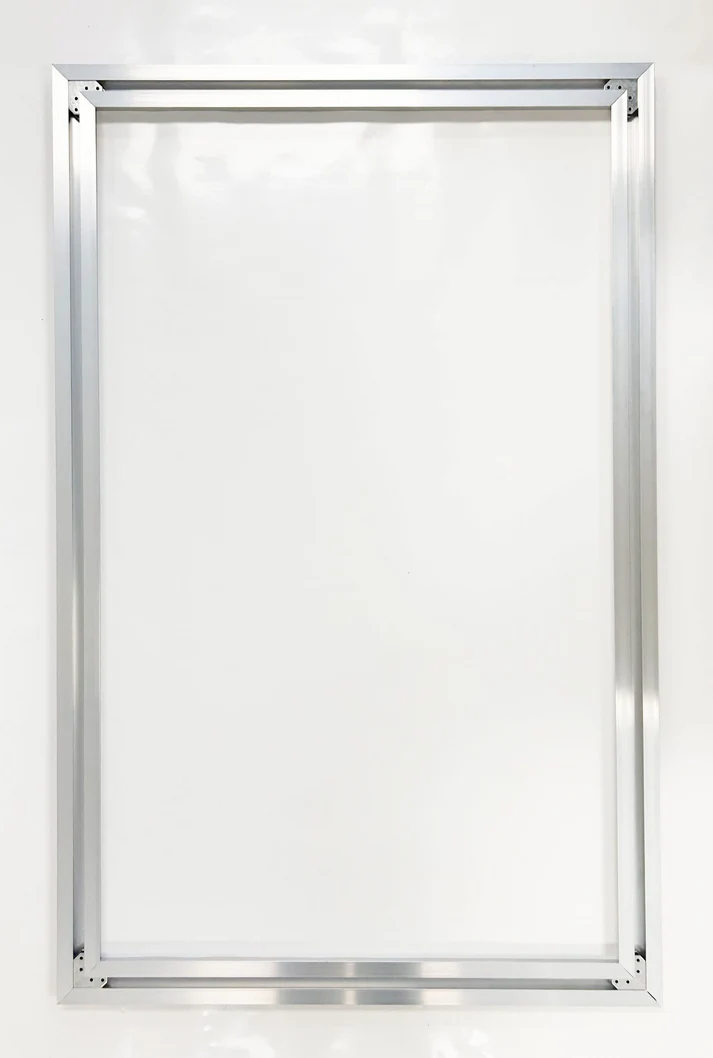
One of the defining advantages of aluminum frame systems is their modular nature. Extruded aluminum profiles are produced with high dimensional accuracy, allowing components to fit together seamlessly. This modularity supports precise assembly and repeatable configurations, which are essential in engineering projects that require standardized frameworks.
Engineers can design custom layouts using pre-engineered aluminum profiles without compromising precision. Adjustments and expansions can be made without dismantling entire systems. The flexibility of 鋁架 structures enables engineers to fine-tune designs while maintaining strict tolerances throughout the project lifecycle.
Strength-to-Weight Ratio for Engineering Efficiency
Aluminum offers an exceptional strength-to-weight ratio, making it ideal for precision engineering applications. Lightweight frames reduce overall structural load while still providing the rigidity needed to support advanced equipment. This balance improves system performance and reduces stress on supporting surfaces or foundations.
In automated production lines and robotic systems, lighter frames contribute to smoother motion and reduced energy consumption. The use of 鋁架 systems enhances operational efficiency while maintaining the structural strength required for high-performance engineering environments.
Vibration Control and Structural Stability
Vibration can significantly impact precision systems, especially in high-speed or high-sensitivity applications. Aluminum frame systems are designed to provide stable, rigid support that minimizes unwanted movement. Properly engineered aluminum structures help absorb and distribute loads evenly, reducing vibration-related errors.
This stability is particularly valuable in industries such as electronics manufacturing, optical engineering, and medical equipment production. By using 鋁架 frameworks, engineers can create controlled environments where precision equipment performs consistently and accurately.
Corrosion Resistance in Controlled and Industrial Environments
Many precision engineering projects operate in environments where humidity, chemicals, or temperature variations are present. Aluminum’s natural corrosion resistance ensures long-term performance without structural degradation. Unlike steel, aluminum does not rust, making it suitable for clean rooms and industrial settings alike.
Surface treatments such as anodizing further enhance durability and cleanliness, which is essential in contamination-sensitive environments. The corrosion-resistant nature of 鋁架 systems reduces maintenance requirements and supports uninterrupted operation in demanding engineering applications.
Ease of Integration and Future Scalability
Precision engineering projects often evolve over time. Aluminum frame systems support easy integration of new components, equipment, or technologies. Their modular design allows engineers to modify or expand structures without compromising accuracy or stability.
This scalability makes 鋁架 solutions ideal for research facilities and advanced manufacturing environments where requirements change frequently. Long-term adaptability ensures that initial investments remain valuable as technology advances.
Conclusion
Aluminum frame systems have become indispensable in high-precision engineering projects. Their dimensional accuracy, lightweight strength, vibration control, and corrosion resistance make them perfectly suited for environments where precision and reliability are critical. The modular and scalable nature of 鋁架 solutions allows engineers to design, adapt, and optimize systems with confidence. For projects that demand exact performance today and flexibility for tomorrow, aluminum frame systems deliver unmatched value and precision.


Leave a Comment