
How Kitten Vaccinations Protect Your Pet From Common Diseases
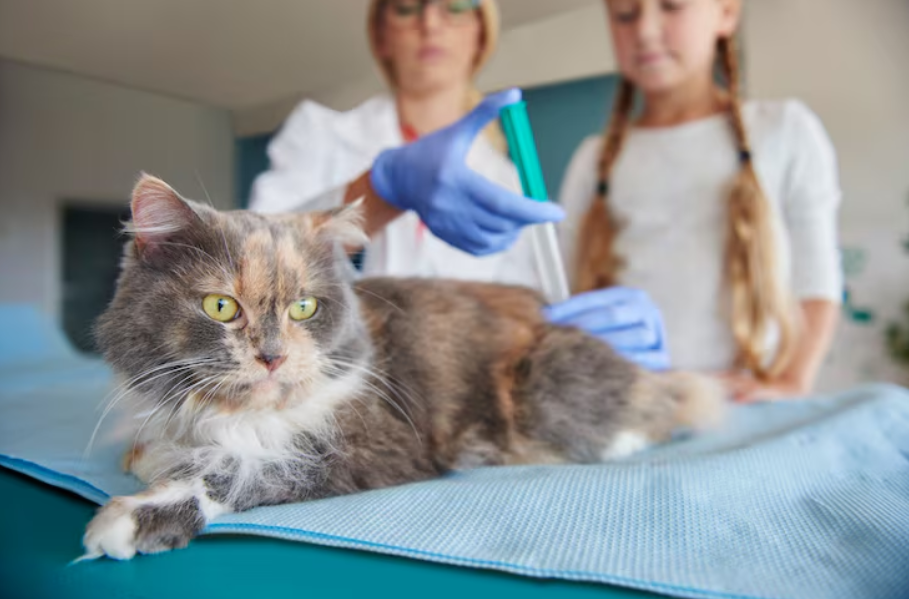
Kittens are small, playful, and full of energy, but they are also very vulnerable to many serious illnesses. Their immune system is still developing, which makes them more sensitive to infections found in the environment, other animals, and even everyday surroundings. This is where kitten vaccinations play an important role. They help protect young cats from dangerous and sometimes life-threatening diseases. By starting vaccinations early, pet owners can ensure their kittens grow into healthy, strong, and happy adult cats. Regular veterinary care and timely vaccination are essential parts of responsible pet ownership.
Importance of Kitten Vaccinations
Kitten vaccinations are one of the most effective ways to protect your pet during its early life. When kittens are born, they receive some immunity from their mother, but this protection does not last long. As it fades, kittens become exposed to various health risks. Vaccinations help the immune system recognize harmful viruses and bacteria before they can cause serious illness. With proper kitten vaccinations, the body learns how to fight infections quickly and effectively. This preventive step reduces the chances of severe disease and helps avoid costly treatments in the future.
Common Diseases Prevented by Vaccination
Many serious diseases can affect kittens if they are not vaccinated on time. These include feline panleukopenia, feline calicivirus, and feline herpesvirus, which can cause severe digestive, respiratory, and immune system problems. Rabies is another dangerous disease that can affect both animals and humans. Kitten vaccinations help protect against these illnesses by building strong immunity at an early stage. Without protection, even mild exposure to these viruses can lead to serious health complications. Vaccination ensures that kittens are safeguarded against the most common and risky infections found in their environment.
How Kitten Vaccinations Work
Kitten vaccinations work by introducing a weakened or inactive form of a virus or bacteria into the kitten’s body. This does not cause disease but instead helps the immune system learn how to respond. Once the body recognizes the threat, it creates antibodies that stay in the system for future protection. When the kitten later comes in contact with the real disease, the immune system can quickly fight it off. This process makes kitten vaccinations a safe and effective way to build long-term immunity without exposing the pet to actual harm.
Proper Timing and Veterinary Care
The timing of kitten vaccinations is very important for full protection. Most kittens begin their vaccination schedule at around six to eight weeks of age, followed by booster shots at regular intervals. A veterinarian designs a schedule based on the kitten’s health, age, and risk factors. Following this plan ensures continuous protection as the kitten grows. Missing or delaying kitten vaccinations can leave gaps in immunity, increasing the risk of illness. Regular vet visits also help monitor overall health and ensure the kitten is developing properly.
Conclusion
Kitten vaccinations are a vital part of keeping your pet safe from many serious and common diseases. They strengthen the immune system, prevent life-threatening infections, and support healthy growth from an early age. By following a proper vaccination schedule and consulting a veterinarian regularly, pet owners can give their kittens the best chance at a long, healthy life. Investing in kitten vaccinations today means protecting your pet’s future well-being.

Leave a Comment