
Headlines to Group Chats: Where People Actually Encounter News Today
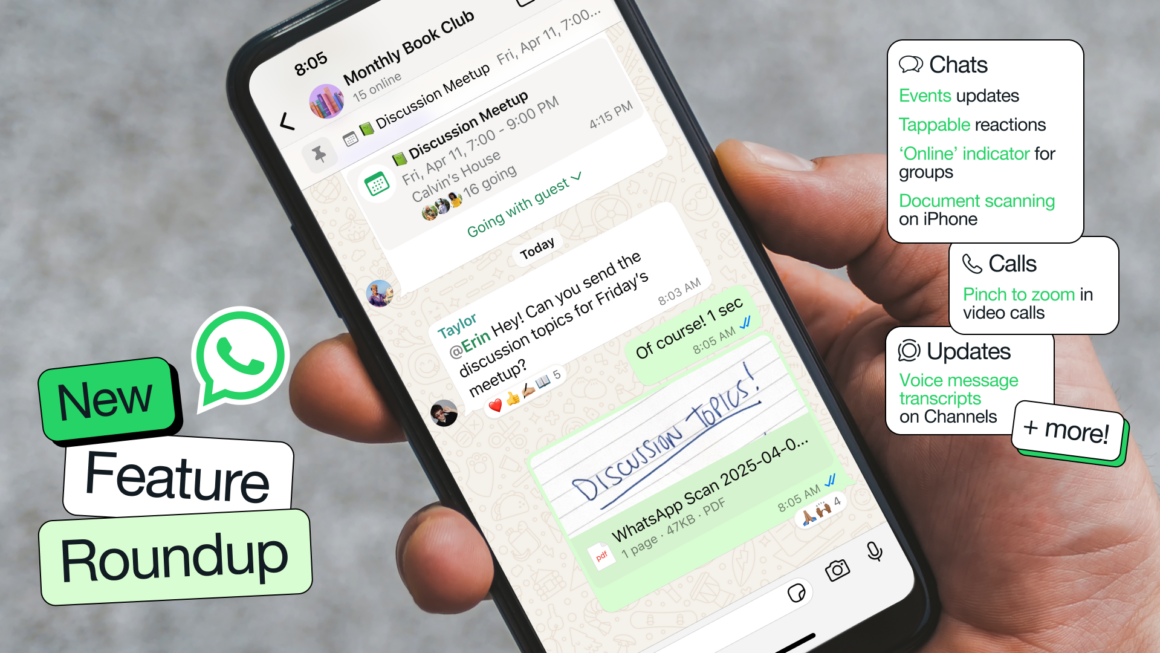
There was a time when encountering the news was a fairly deliberate act. People bought a newspaper, turned on the evening bulletin, or visited a familiar news website to see what had happened. Today, information rarely waits for people to come looking for it. A headline appears between holiday photos on a social feed, a colleague shares an article during lunch, or a family member drops a link into a group chat before breakfast.
This shift has changed more than the technology used to distribute journalism. It has transformed where people discover stories, which stories attract their attention, and how quickly information moves from one person to another.
News Discovery Is Becoming Less Deliberate
Many people still visit established news websites and watch scheduled broadcasts, but a significant amount of news discovery now happens incidentally. Someone might open a social platform to check messages and leave knowing about a major political announcement, a celebrity story, severe weather, or a local transport disruption.
This means news is competing with entertainment, personal updates, advertisements, memes, and countless other pieces of content. A headline has only a brief opportunity to make someone stop scrolling.
Online publications and broader lifestyle platforms such as vizz.com.au also reflect how information consumption has expanded beyond traditional newspaper categories. Readers may move naturally between current affairs, lifestyle topics, practical information, entertainment, and stories relevant to their communities.
Group Chats Have Become Informal Newsrooms
One of the most interesting changes is happening away from public social feeds. Private group chats have become important spaces for sharing information.
Family groups circulate local warnings and community stories. Workplace chats contain industry updates. Friendship groups exchange everything from sports results to unusual stories gaining attention online.
The person sharing the link also influences whether someone opens it. An article sent by a trusted friend can receive more attention than the same headline encountered randomly online. In that sense, people increasingly act as informal editors for one another.
The downside is that inaccurate information can travel through the same trusted networks. A forwarded screenshot or shortened claim may appear convincing simply because it came from someone familiar. Checking the original source therefore remains important, even when the person sharing the information is trustworthy.
Local Relevance Still Has Considerable Power
Despite access to international information at any moment, people continue to care about what is happening close to them. A Melbourne online magazine, for example, can offer something a global platform cannot easily reproduce: familiarity with local places, conversations, events, businesses, and concerns.
Local relevance can also determine whether information becomes immediately useful. A transport change on the other side of the world may be interesting, but a train cancellation affecting tomorrow morning’s journey demands attention.
This explains why local publications, community pages, neighborhood groups, and specialized digital outlets remain part of a much larger news ecosystem.
Lifestyle and News Are Increasingly Interconnected
The boundaries between news and lifestyle information have also become less obvious. Topics such as housing costs, education, technology, health, workplace changes, and modern parenting Australia may begin with a news development but quickly become part of everyday conversations.
Consider a change involving schools or childcare. The initial story may appear in a conventional news report. Parents might then discuss its practical consequences in messaging groups, while lifestyle publications provide additional context about how families could be affected.
Readers are therefore not necessarily separating “news” from “lifestyle” as neatly as publishers once did. They are often looking for information that explains what a development means for their own lives.
The Commute Has Become a Major Information Window
Daily commuting also illustrates how dramatically media habits have changed. A train or bus journey once associated with folded newspapers can now involve podcasts, newsletters, news apps, social feeds, short videos, and messages, often during the same trip.
Even people driving can encounter news through radio, podcasts, and audio summaries. Instead of having one designated news format, individuals can build an information routine around the time and attention available to them.
Shorter formats naturally work well during these fragmented periods. However, convenience can create a problem when summaries replace deeper reading entirely. Knowing a headline is not always the same as understanding the story behind it.
Trust Matters More When Information Comes From Everywhere
The modern information environment gives people extraordinary access to events as they unfold, but abundance places more responsibility on the reader.
A story appearing repeatedly does not automatically make it accurate. Before sharing important information, readers can check who originally reported it, whether other reliable sources confirm it, and whether the headline accurately represents the full story.
This becomes particularly important when screenshots and snippets circulate without context. The original publication date, location, and source may completely change what a post means.
News No Longer Has a Single Front Door
People have not stopped consuming news. Instead, the routes leading them to it have multiplied. A major story might begin with a phone notification, continue through a podcast during the morning journey, appear again in a workplace conversation, and eventually reach a family group chat that evening. Traditional publishers remain important, but they now exist alongside social networks, online magazines, newsletters, messaging apps, creators, and communities.
The defining feature of today’s news environment is therefore not simply speed. It is distribution. News can find people almost anywhere, often when they were not looking for it at all. The challenge for readers is learning when to stop at the headline, when to investigate further, and when something deserves to be shared with the next group chat.



Leave a Comment