How Hair Treatment Solutions Can Help You Deal With Hair Loss
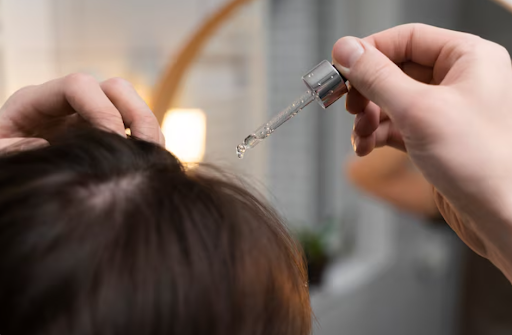
Hair loss is a common concern that can affect people of different ages. It may happen because of genetics, stress, hormonal changes, poor nutrition, or certain health conditions. Losing hair can also affect a person’s confidence and appearance. Fortunately, different hair treatment solutions are available to help manage hair loss and support healthier hair growth. Choosing the right approach can make it easier to understand the cause of the problem and find a suitable way to care for your hair.
Understanding the Common Causes of Hair Loss
Before choosing a hair treatment, it is important to understand what causes hair loss. Genetics is one of the most common reasons, as some people naturally experience thinning hair as they get older. Hormonal changes, stress, nutritional deficiencies, and certain medical conditions can also affect normal hair growth. In addition, excessive heat styling, harsh hair products, and tight hairstyles may damage hair and contribute to breakage. Identifying the cause helps people choose a treatment that addresses their specific needs.
Choosing the Right Hair Treatment for Your Needs
Different hair treatment options are designed to address different types of hair concerns. Some treatments focus on improving scalp health, while others aim to strengthen existing hair and encourage growth. Depending on the cause of hair loss, a specialist may recommend topical products, prescription medications, or other professional procedures. Treatments such as minoxidil may help certain people manage pattern hair loss. A professional assessment can help determine which option is suitable based on hair condition, medical history, and individual goals.
Improving Scalp Health for Better Hair Growth
A healthy scalp provides a suitable environment for hair growth. When the scalp is affected by dryness, irritation, or excessive oil, it may need additional care. A suitable hair treatment can help maintain scalp cleanliness and support healthy hair roots. Gentle cleansing, regular conditioning, and products designed for specific scalp concerns can improve overall hair care. Professional scalp treatments may also help address certain conditions that affect hair health. Maintaining a balanced scalp care routine is an important part of managing hair loss.
Supporting Hair Strength Through Proper Nutrition
Nutrition plays an important role in maintaining healthy hair. Hair needs essential nutrients, including protein, iron, zinc, and certain vitamins, to grow properly. A balanced diet that includes vegetables, fruits, whole grains, eggs, fish, and nuts can support overall hair health. If nutritional deficiencies are contributing to hair loss, a healthcare professional may recommend appropriate changes or supplements. Combining good nutrition with a suitable hair treatment can help improve hair strength and reduce problems related to nutritional deficiencies.
Building a Consistent Hair Care Routine
Consistency is important when dealing with hair loss. Most hair treatment options require time before noticeable results appear. Following professional advice, avoiding excessive heat styling, and using gentle hair care products can help protect existing hair. It is also useful to avoid tight hairstyles and harsh chemical treatments that may cause additional damage. Regular follow-ups with a specialist can help track progress and adjust the treatment plan when needed.
Conclusion
Hair loss can have several causes, but the right approach can help people manage the condition and maintain healthier hair. Suitable hair treatment solutions, proper nutrition, scalp care, and consistent daily habits all contribute to better hair health. By understanding the cause of hair loss and seeking professional guidance, individuals can choose an effective treatment plan that supports their hair care goals.

Leave a Comment