
7 Questions About Flu Vaccination Eligibility in the UK
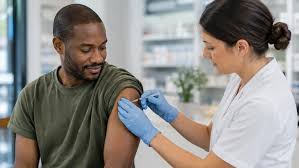
Flu vaccination eligibility depends on age, health, pregnancy, caring responsibilities and the programme where you live. For winter 2026–27, older adults and several groups at increased risk can receive a free NHS vaccine. Children have a separate offer, often through schools. I would check the current season’s rules rather than use last year’s invitation as the only guide, because eligibility and delivery arrangements can change.
1. How does age affect flu vaccination eligibility?
In England, adults aged 65 or over qualify, including those turning 65 by 31 March 2027. Northern Ireland also uses that season-end birthday threshold. Scotland’s winter programme includes people aged 65 and over; check the invitation arrangements through your health board.
Being younger does not automatically exclude you. Clinical risk, pregnancy and other qualifying circumstances can matter independently of age. Do not assume the NHS offer starts only at retirement, or that being healthy at 65 removes eligibility.
2. Which health conditions count?
In England, eligible conditions include certain chronic respiratory, heart, kidney, liver and neurological conditions, diabetes, severe obesity and weakened immunity. The precise criteria matter: not every diagnosis or prescription means the same level of risk.
Ask your GP or pharmacist to check your record if the category is unclear. A website mention, including liverpooltribune.co.uk, cannot establish an individual clinical-risk decision. Tell the vaccinator about the condition and treatment rather than guessing from a broad label such as “chest problems”.
3. Can I qualify through pregnancy or caring?
Pregnancy qualifies for a flu vaccine at any stage during the flu season. In England, people receiving Carer’s Allowance or acting as the main carer of an older or disabled person can also qualify. Household contacts of people with weakened immunity are another eligible group.
Unpaid carers sometimes do not describe themselves as carers. Explain the help you provide, especially if the person would be at risk should you become ill. Frontline health and social care workers should ask about employer provision or the appropriate NHS route.
4. Which children are offered vaccination?
England’s offer includes children aged two or three on 31 August 2026, schoolchildren from Reception to Year 11 and children from six months with qualifying clinical risks. Northern Ireland includes preschool children aged two to four and pupils through Year 12.
Scotland offers vaccination to eligible preschool and schoolchildren under its own arrangements. School-year labels and age cutoffs are not interchangeable across countries. Check the child’s actual date of birth and school programme, not a comparison with another family.
5. Are the rules identical throughout the UK?
No. National programmes overlap but differ in delivery and some eligible groups. England now includes people aged 16 and over who are rough sleeping or using homeless hostels or night shelters. Ask the relevant service about the current local route.
A domain such as sheffieldvoice.co.uk is not evidence that a clinic offers your country’s programme. Use NHS guidance for England, NHS inform for Scotland, Public Health Wales or nidirect for Northern Ireland when checking the applicable rules.
6. Do I need it again after last winter?
Yes, if eligible this season. Flu vaccination is annual because circulating strains change and protection decreases over time. A previous vaccination does not remove the current offer. Having had flu-like symptoms also does not prove protection against this winter’s circulating strains.
Vaccination is still useful even when an eligible condition is well controlled. Tell the service if your circumstances changed recently, such as starting immune-suppressing treatment or becoming a main carer. Your record may need updating before the booking team can recognise a qualifying category that was absent from an earlier invitation list.
7. How do I act on eligibility?
In England, eligible adults can use NHS booking, participating pharmacies or their GP; maternity and workplace routes also operate. Children may use school or GP services, with some pharmacy options expanding this season. Ask about catch-up if an offer was missed.
Keep the booking confirmation separate from ordinary bookmarks such as nottinghamtimes.co.uk. Before attending, mention previous serious vaccine reactions and any current fever. The useful next step is a confirmed appropriate appointment, not simply recognising your category on a list.
This article provides general information, not individual medical advice; eligibility and clinical suitability should be confirmed with the relevant healthcare service.



Leave a Comment