


The search term “Emma Raducanu boyfriend news” generates traffic through a combination of genuine public interest and the unique pressures facing young, successful athletes whose personal lives become content fodder. Raducanu is currently single following her split from Carlo Agostinelli in mid-2024, and she has spent recent months addressing repeated speculation about new relationships, including rumors linking her to fellow tennis player Carlos Alcaraz. What’s worth examining here isn’t just the facts of her relationship status, but how constant speculation affects someone attempting to rebuild their professional standing after early, dramatic success.
Raducanu won the US Open at age 18 in remarkable fashion, then faced injuries, coaching changes, and intense scrutiny as her results failed to match that initial breakthrough. In that context, relationship speculation becomes another layer of pressure in an already high-stakes environment. The data tells us that female athletes face disproportionate coverage of their personal lives compared to their male counterparts, and Raducanu’s experience is a clear example.
Confirmed Relationship History And The Cycle Of Public Attention
Raducanu dated Carlo Agostinelli, son of billionaire American banker Robert Agostinelli, from May 2023 until June 2024. They met during Paris Fashion Week, attended high-profile events including Dior shows, and shared photos from luxury trips on social media. The relationship had all the markers of typical young celebrity romance: visible, glamorous, and well-documented.
Here’s what actually works in practice: when you’re navigating early-career professional challenges, a high-profile relationship adds complexity. Every public appearance generates media coverage, which can be beneficial for brand building but distracting when you’re trying to focus on performance outcomes. The relationship ended reportedly with both parties unfollowing each other on Instagram, the modern signal of romantic conclusion.
From a reputational standpoint, the breakup was handled relatively cleanly. No public accusations, no tabloid drama, just a quiet separation followed by the inevitable speculation about what went wrong. That restraint matters, particularly for someone whose professional credibility depends on maintaining focus amid constant external pressure.
Speculation Management And The Reality Of Persistent Rumors
Following her split from Agostinelli, Raducanu faced immediate rumors linking her to Carlos Alcaraz, particularly after they were announced as mixed doubles partners for the US Open. The speculation intensified when she was spotted supporting him at the Queen’s Club Championships, and social media accounts began creating parody content romantically linking the pair.
Look, the bottom line is this: Raducanu addressed the rumors directly, telling reporters ahead of Wimbledon, “We’re just good friends”. That’s textbook crisis communication—clear, direct, and leaving no room for ambiguity. She even acknowledged the parody accounts with humor, noting that she was glad the internet was having fun and that they were providing entertainment.
What I’ve learned is that clarity doesn’t stop speculation, but it does shift the burden of responsibility. Once she’s stated plainly that there’s no romantic relationship, any continued rumors reflect media behavior rather than her actions. That’s important for maintaining control over her own narrative even when she can’t control what gets published about her.
Privacy Invasion And The Pressure Of Constant Scrutiny
Raducanu has also addressed what she described as “creepy” paparazzi behavior, highlighting the invasive nature of constant surveillance on her personal life. This goes beyond normal celebrity coverage into territory that affects daily privacy and creates an environment where normal social interactions become material for speculation.
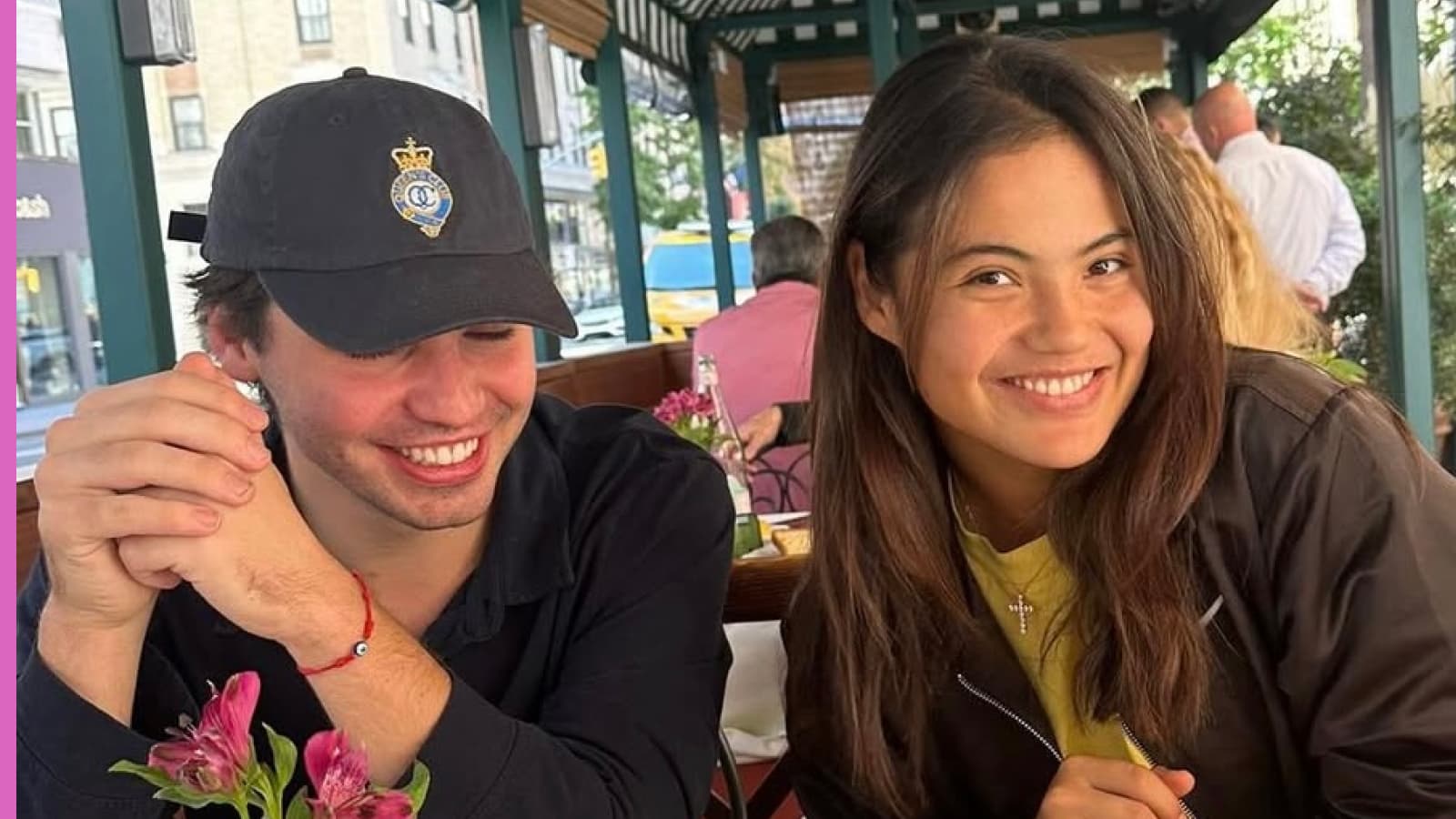
The reality is that being photographed with a male friend or colleague shouldn’t automatically generate relationship rumors, but for high-profile female athletes, it often does. Raducanu was recently photographed with Benjamin Heynold, a childhood friend she’s known since age six, and speculation immediately suggested they were dating. She addressed this by liking a comment clarifying their long friendship, another example of using minimal engagement to correct misinformation without feeding it.
From a practical standpoint, this represents ongoing reputational risk management. Every social interaction requires consideration of how it might be interpreted and reported. That’s an exhausting layer of complexity on top of the already demanding work of competing professionally at the highest level of tennis.
Career Context And Why Relationship Coverage Matters Strategically
Raducanu’s professional results since her US Open victory haven’t matched that early success, and she’s dealt with injuries and coaching turnover that have complicated her development. In that context, relationship speculation functions as both distraction and potential narrative shift. If her tennis results aren’t generating positive headlines, her personal life fills that space.
Here’s what actually happens: media outlets need content, and personal relationships generate engagement regardless of professional outcomes. For an athlete trying to rebuild credibility and consistency, that creates a challenging dynamic where relationship rumors can overshadow actual tennis performance. The balance requires managing visibility without disappearing entirely, maintaining enough public presence to sustain commercial partnerships without inviting constant invasive coverage.
What the data tells us is that female athletes who achieve early, dramatic success face intense scrutiny that often shifts to personal life when professional results plateau. Managing that attention requires clear boundaries, strategic communication, and the willingness to address rumors directly rather than hoping they dissipate on their own.
Information Accuracy And Why Verification Protects Reputation
The search volume around “Emma Raducanu boyfriend news” persists partly because previous relationship confirmation created a template that audiences now apply to any new speculation. Once someone has been in a public relationship, every subsequent rumor gets measured against that confirmed precedent. The challenge is maintaining accuracy when speculation is treated as equally newsworthy as fact.
What I’ve seen work across different industries is this: consistent, direct communication about relationship status reduces the space for fabrication but doesn’t eliminate it. Raducanu has been clear about being single, about her friendship with Alcaraz, and about her long history with Heynold. Those statements create a factual baseline that reputable outlets reference, even if lower-quality content continues to speculate.
From a brand management perspective, maintaining control over personal narrative allows focus to remain on professional development. For Raducanu, that means tennis performance, training, and strategic career decisions. Every interview spent addressing relationship rumors is time not spent discussing her actual work. The economics of attention demand efficiency, and relationship speculation represents inefficiency unless strategically managed to build rather than distract from professional credibility.