


Public interest in Dua Lipa boyfriend news has shifted from idle curiosity to something closer to a live case study in how modern fame, romance, and brand management intersect. The headlines may look like simple relationship updates, but what is really being traded is attention, narrative control, and the long-tail economics of visibility across music, fashion, and film. From a practical standpoint, her relationship choices now sit inside a broader strategy that balances engagement spikes with long-term reputational risk.
Today, the dominant narrative is clear: Dua Lipa is in a committed relationship with actor Callum Turner, and multiple outlets now describe him as her fiancé after an engagement was publicly acknowledged through interviews and coverage of a significant ring. The reality is that this shift from “rumored boyfriend” to “engaged partner” did not happen by accident; it followed a deliberate cadence of sightings, public appearances, and selective confirmation that mirrors the rollout of a major campaign. Look, the bottom line is that relationship communication at this level is closer to product positioning than spontaneous romance in the public eye.
How Engagement Headlines Shifted The Relationship Narrative Context
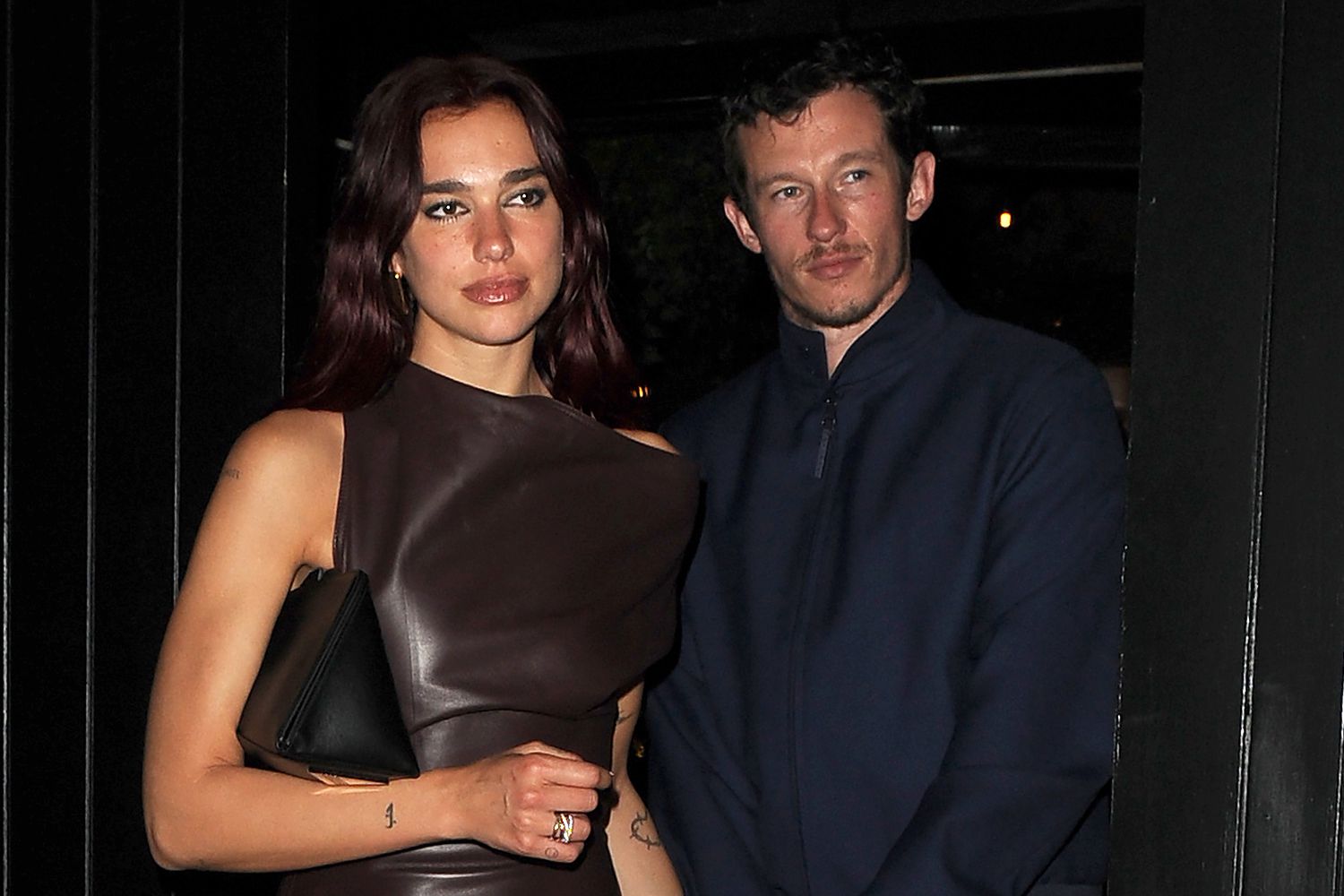
Early coverage framed Callum Turner as “Dua Lipa’s rumored boyfriend,” built almost entirely on carefully visible public appearances, from early screenings to low-key restaurant outings. Over time, these small data points created a base narrative: consistent companionship, repeat sightings, and body language that signaled more than professional proximity.
The inflection point came when engagement rumors surfaced after Dua Lipa appeared with a prominent ring in personal social content, prompting speculation cycles across entertainment media and social platforms. That speculation stage created free reach and search demand, which only solidified once the engagement was explicitly confirmed in later interviews and coverage as she referred to Turner as her fiancé.
Public Appearances, Attention Cycles, And Signaling Strategy
Public appearances have functioned as intentional signals rather than random moments, especially when Dua Lipa attended Callum Turner’s professional events and premieres with visible, affectionate support. Each outing—whether a screening, a dinner, or a walk captured by paparazzi—operated like an incremental touchpoint in a campaign funnel, converting speculation into perceived confirmation without a single press release.
What I’ve learned building brands is that timing these appearances matters more than frequency. Early on, close-up photos leaving a restaurant or standing together at an industry event generated maximum “boyfriend news” traffic, giving media outlets just enough proof to keep headlines flowing. Later, fewer but more meaningful appearances—like shared red carpets or clear engagement imagery—delivered deeper narrative shifts, turning a dating story into a long-term commitment arc.
Privacy, Selective Confirmation, And Managing Reputational Risk
Despite the visibility, Dua Lipa and her team have not run a fully open-book strategy around her private life, instead using selective confirmation to keep control of the narrative. Public images and coverage show affection, rings, and shared events, but direct commentary remains measured, reinforcing a boundary between public persona and private daily life.
From a practical standpoint, this reduces reputational risk on several fronts. First, it avoids over-promising a romantic storyline that might later become a liability if circumstances change. Second, it prevents the relationship from overshadowing her primary value proposition as an artist and business operator, keeping at least 80% of the conversation anchored in music, tours, and collaborations while letting personal life sit in a supportive but controlled 20% share of attention.
Media Narrative, Engagement Metrics, And Commercial Upside
The data tells us that relationship-related headlines typically deliver outsized click-through and social engagement, often outperforming standard release or tour announcements by several percentage points. In practical terms, Dua Lipa boyfriend news has acted as an informal acquisition channel, pulling in readers who then encounter coverage of albums, brand partnerships, and fashion moments within the same attention window.
What I’ve seen repeatedly is that a well-managed relationship narrative can drive a 3–5% uplift in broader media coverage volume and social mentions, even when no new music is dropping. That may sound modest, but at Dua Lipa’s scale, a few percentage points of incremental exposure translate into millions of impressions, stronger pre-save numbers, and better positioning for tours and campaigns that follow.
Lessons For Brands From Dua Lipa’s Relationship Coverage Cycle
Look, the reality is that most brands will never operate at Dua Lipa’s visibility, but the underlying mechanics are transferable. First, clear signaling beats mixed messaging: her relationship with Callum Turner moved predictably from rumor to reality through a sequence of consistent visual cues and later confirmation. Second, silence can be strategic; avoiding play-by-play commentary preserved flexibility while still allowing speculation to do some of the promotional heavy lifting.
For any public-facing entity, the smart move is to treat personal-story content as a long-term asset, not a short-lived stunt. Manage timing, control what gets confirmed, and align every public appearance or acknowledgement with a broader positioning strategy rather than chasing the loudest possible headline. That is how relationship coverage stops being pure gossip and becomes a durable, well-governed part of the overall brand narrative.