

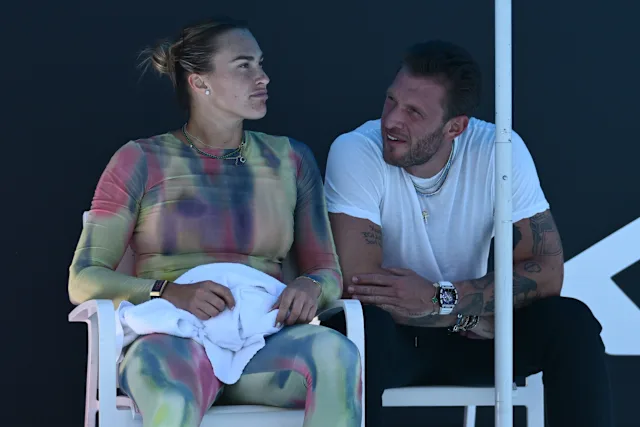

Interest in “Aryna Sabalenka boyfriend news” reflects something more complex than typical celebrity relationship curiosity. Sabalenka’s current relationship with Brazilian entrepreneur Georgios Frangulis developed in the aftermath of profound personal tragedy—the death of her previous partner, former ice hockey player Konstantin Koltsov, who died by suicide in early 2024. Understanding the public interest in her relationship status requires acknowledging both her professional dominance as a tennis champion and the unusual circumstances that preceded her current partnership.
Sabalenka has been open about how Frangulis’s support has been instrumental not just in her personal happiness but in her professional stability and performance. That level of transparency offers insight into how elite athletes manage emotional wellbeing alongside competitive pressure, and it shifts the narrative around celebrity relationships from pure tabloid entertainment to something more substantive about resilience and emotional recovery.
Relationship Timeline And The Context Of Public Support
Sabalenka and Frangulis were first seen together at the Madrid Open in April 2024, just weeks after Koltsov’s death. That timeline is worth noting not for speculation about when the relationship began, but for understanding how quickly Sabalenka returned to competition and how visible support appeared in her life during an extraordinarily difficult period.
Here’s what actually works: Frangulis has been a consistent presence at her tournaments, traveling with her to major events and providing visible courtside support. When she won the Cincinnati Masters, she thanked him publicly, saying he kept her happy every day. That kind of acknowledgment does two things simultaneously—it normalizes the relationship and frames it within the context of professional performance rather than personal drama.
From a reputational standpoint, being open about the relationship’s positive impact on her tennis serves a strategic function. It shifts coverage away from the tragedy of Koltsov’s death and toward the present reality of her life and career. That’s not avoidance; it’s healthy boundary-setting about where public conversation should focus.
Emotional Support And The Reality Of Performance Under Pressure
Sabalenka has been explicit about how Frangulis’s support helped her navigate grief and maintain competitive focus. She told People magazine, “There was a really tough period where I was really happy to have him by my side, always cheering me up, always making sure that we are doing some fun stuff”. That statement offers rare insight into the emotional infrastructure that supports elite athletic performance.
Look, the bottom line is this: professional sports at the highest level require psychological stability as much as physical skill. Dealing with personal tragedy while maintaining the focus necessary to compete for Grand Slam titles is extraordinarily difficult. Having a support system that travels with you, understands the demands of the circuit, and actively contributes to emotional wellbeing is strategically valuable.
What I’ve learned from observing high-performance environments is that emotional support isn’t soft or secondary; it’s foundational. Sabalenka’s willingness to credit Frangulis directly for helping her maintain stability and control over her emotions is significant. It demonstrates awareness of what actually drives performance beyond just training and technique.
Public Visibility Strategy And The Timing Of Acknowledgment
The relationship has moved from private speculation to public acknowledgment relatively quickly. Frangulis appears regularly in Sabalenka’s Instagram content, attends her matches visibly, and has been integrated into her public narrative as her boyfriend without ambiguity. That directness serves both practical and strategic purposes.
From a media management perspective, being forthright about the relationship status eliminates the speculation cycle. There’s no “are they or aren’t they” phase that generates constant tabloid coverage. Instead, the story is settled: they’re together, he supports her, she credits him, and the focus can remain on her tennis rather than relationship drama.
The data tells us that athletes who maintain clear boundaries around personal life while being selectively transparent about relationships that impact performance tend to manage public narratives more effectively. Sabalenka’s approach fits that model. She’s not hiding the relationship, but she’s also not making it the story. The story is her tennis, and Frangulis’s role is positioned as supporting that primary narrative.
Engagement Speculation And The Cycle Of Public Curiosity
During Sabalenka’s third-round US Open match, a couple in the stands got engaged, and when asked about it in her post-game interview, she joked that it might be a sign, playfully suggesting that a proposal could be in her future. That moment generated immediate speculation about whether she and Frangulis might be headed toward engagement themselves.
Here’s what actually happens in practice: offhand comments during emotionally heightened moments after competitive victories get analyzed for hidden meaning. Sabalenka’s comment was likely spontaneous and lighthearted, but it becomes content that feeds the ongoing narrative about where the relationship is headed. That’s the nature of public life for high-profile athletes—casual remarks become data points in a larger story.
The reality is that they’ve been together just over a year, which in normal relationship timelines wouldn’t necessarily indicate imminent engagement. But public relationships, especially those involving elite athletes and successful entrepreneurs, operate on different narrative timelines. The question of “what’s next” generates engagement and coverage regardless of whether there’s actual movement toward marriage.
Relationship Narratives And Why Support Systems Drive Performance
The search volume around “Aryna Sabalenka boyfriend news” persists because the relationship is framed explicitly in terms of its impact on her professional success. This isn’t just celebrity gossip; it’s about understanding the ecosystem that enables world-class performance. Sabalenka has been the number one ranked women’s player and has won multiple Grand Slam titles. The connection between personal stability and professional achievement is direct and acknowledged.
What the data tells us is that audiences increasingly want context around athletic performance that goes beyond statistics and technique. Understanding how elite athletes manage emotional wellbeing, grief, pressure, and personal relationships while competing at the highest level offers insight into human performance more broadly. Sabalenka’s transparency about Frangulis’s role in her success provides that context.
From a brand management perspective, this narrative positioning is valuable. It humanizes her without diminishing her competitive edge. It demonstrates vulnerability—acknowledging that she needed support during a difficult period—while simultaneously reinforcing strength through her ability to continue competing and winning. That balance is difficult to achieve, but when managed well, it creates a public persona that’s both relatable and aspirational, which is premium positioning in professional sports marketing.