
How to Clear Out Your Home Without the Mess
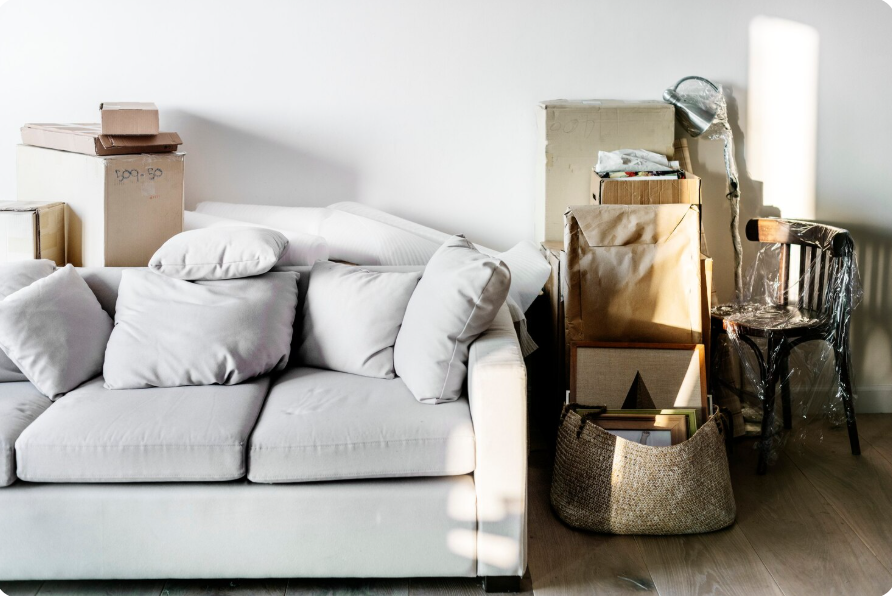
Clearing out a home sounds simple until you actually start opening cupboards and finding things you forgot existed. Suddenly, there are old boxes everywhere, three broken lamps, and enough random cables to confuse a small electronics shop.
A clear-out becomes much easier when you take it one step at a time. Instead of throwing everything into random piles, decide what needs to go, how it will be removed, and where the waste will stay until collection. A little planning can keep the whole job from taking over your home.
Decide What Really Goes
Starting with the entire house at once can quickly become overwhelming. Pick one room, cupboard, or storage area and finish that section before moving somewhere else. As you sort, think about whether each item is rubbish, reusable, recyclable, or something you genuinely want to keep.
Be honest with yourself. If you have not used something in years and cannot imagine needing it, it may not deserve another decade in the cupboard. Reusable belongings can be donated or passed on, while suitable materials may be recycled.
Make A Simple Plan
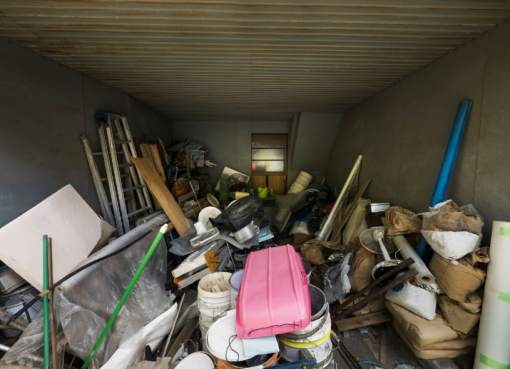
A little planning can prevent a clear-out from becoming a giant pile of confusion. First, estimate roughly how much waste you expect to remove. A few bags of rubbish require a very different approach from furniture, renovation debris, and several years of accumulated belongings.
Think about how the waste will be collected and where it can safely wait. Keeping everything in one accessible location is usually better than creating piles throughout the house. Also consider how people will move around while the work is happening.
Choose Skip Hire
For larger clear-outs, skip hire can provide a convenient way to handle a substantial amount of household waste in one place. It can be particularly useful during renovations, garden projects, house moves, or major decluttering jobs.
Choosing the right skip size matters. A skip that is too small may leave you needing another collection, while a huge one can take up unnecessary space and cost more than needed. Skip should be positioned somewhere practical and safe.
Keep Waste Under Control
Once waste starts going into the skip, loading it thoughtfully can help you use the available space better. Larger or heavier materials can generally go toward the bottom, while smaller items can fill gaps around them. Bulky objects can leave surprisingly large empty spaces if they are not positioned carefully.
Safety matters too. Do not overfill the skip or allow waste to stick out dangerously above its permitted level. Certain materials may also need separate handling, so check the collection requirements before loading anything unusual.
Finish The Job Properly
When the main clear-out is finished, take a final look around the property. Check cupboards, corners, garages, gardens, and other areas where unwanted items may have been forgotten. Clean the newly cleared spaces so they are ready to use again.
Reusable belongings should also be handled separately rather than accidentally mixed with general waste. Finally, think about why the clutter built up in the first place. Simple storage and regular small clear-outs can prevent the same problem returning.


Leave a Comment