
Best Time to Visit Mexico for Your Next
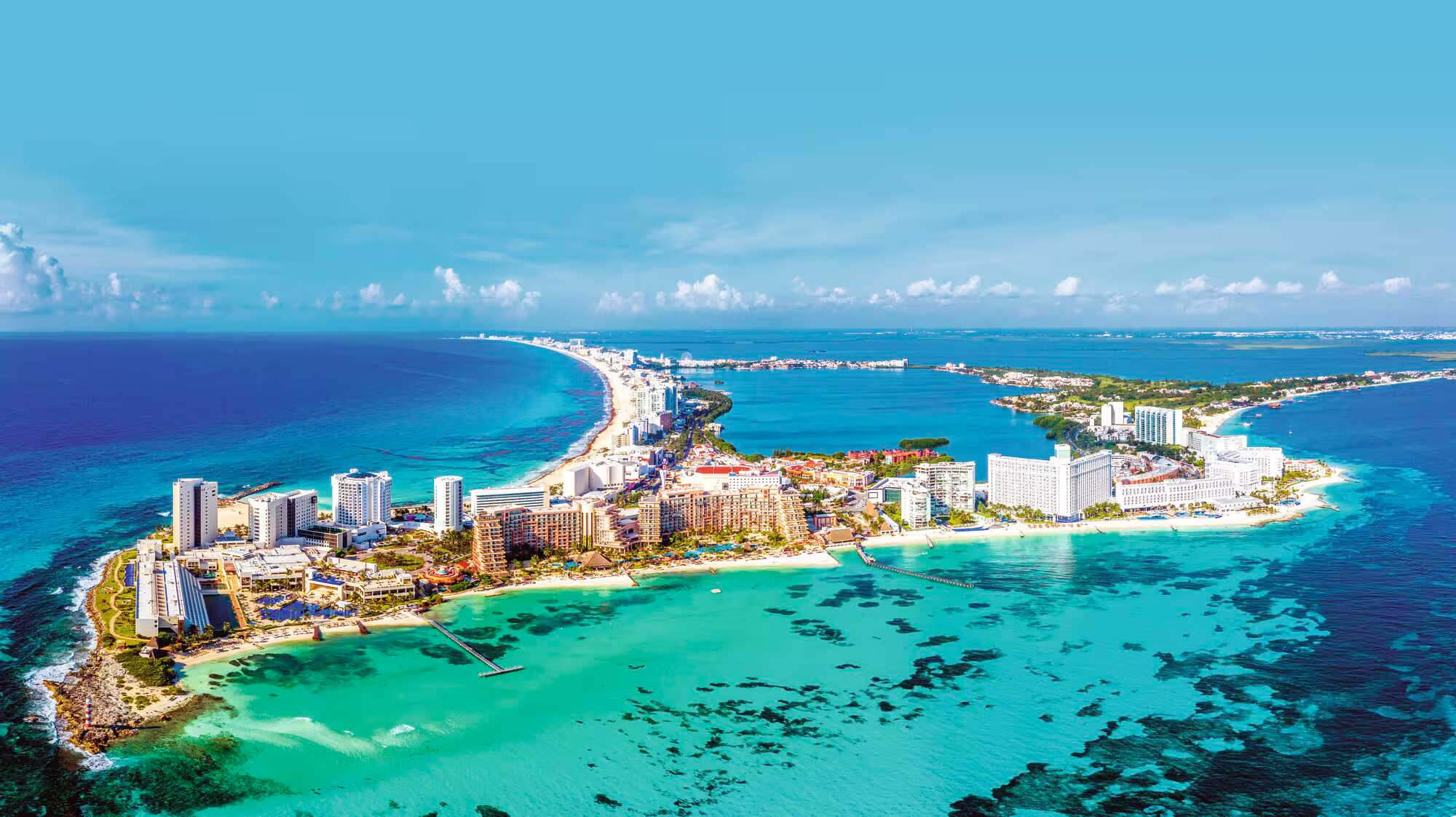
Planning a trip to Mexico? From my 15 years of frequent travel and working with clients organising corporate retreats and leisure trips across Latin America, I’ve learned that timing can make or break the experience. Mexico is vast, with climates ranging from tropical beaches to highland cities, so knowing the best time to visit Mexico is crucial.
The reality is, if you overlook weather patterns, festivals, or tourist surges, even a well-planned itinerary can feel chaotic. Here’s a practical guide to navigating Mexico’s seasons, events, and hidden gems.
Peak Season Travel: December to April
From a practical standpoint, winter months are Mexico’s peak travel season. The data tells us that most resorts in Cancun, Playa del Carmen, and Mexico City see a 3–5% uplift in occupancy during December through April. The weather is dry, temperatures are comfortable, and daylight lasts longer—perfect for sightseeing.
I once worked with a client who booked a December trip to Oaxaca, thinking it would be quiet, only to find full hotels due to Christmas festivities. What I’ve learned is that planning at least three months ahead avoids last-minute disappointments.
Avoiding the Rainy Season: May to October
The rainy season is not a deal-breaker but requires strategy. From May through October, much of Mexico experiences heavy afternoon showers, especially along the Riviera Maya. The reality is, many casual tourists assume “rainy” means constant downpours—it doesn’t. I’ve seen trips succeed spectacularly by scheduling early morning excursions, then relaxing indoors or at covered attractions during rainfall. The lesson here: flexibility and a well-thought-out itinerary allow you to enjoy the country even during wetter months.
Festival Seasons: Timing for Culture and Events
If you’re after authentic experiences, festival timing can define your trip. Mexico’s calendar is packed with cultural celebrations like Día de los Muertos in early November and Guelaguetza in July.
I’ve attended both as part of corporate incentive travel programs, and the contrast is striking: one is intimate and reflective, the other vibrant and colourful.
The takeaway? Aligning your visit with cultural events adds value beyond sightseeing but requires booking in advance—flights and accommodations fill quickly during high-demand festivals.
Budget-Friendly Travel: Shoulder Seasons
From my experience negotiating travel budgets, the best time to visit Mexico on a tighter budget is during shoulder seasons: late April to early June or September to November.
Prices drop significantly for flights and hotels, and tourist crowds are thinner. I once coordinated a client’s Mexico City trip in early May and achieved premium hotel rates at a 20% discount.
Look, the bottom line is that careful planning during shoulder months can give you the same experiences as peak season without the inflated costs or packed attractions.
Regional Variations: Know Your Destination
Mexico is not one-size-fits-all. Coastal cities like Cancun and Puerto Vallarta differ significantly from highland areas such as San Miguel de Allende or Mexico City. I’ve learned the hard way: booking beach resorts in winter versus summer requires attention to humidity and hurricane risk, whereas Mexico City is relatively temperate year-round.
The practical insight? Research regional climate trends, and choose your travel dates based on specific locations rather than assuming the country has uniform weather.
Conclusion
The best time to visit Mexico depends on your priorities—sunny beaches, cultural festivals, budget savings, or quiet exploration. From my professional experience, combining seasonal knowledge with practical planning ensures a smoother, more enriching journey.
The reality is, understanding the nuances of Mexico’s climate, festivals, and regional variations is what separates a good trip from an exceptional one.
FAQs
When is the best month to visit Mexico?
For sun and dry weather, December to April is ideal. Shoulder seasons like May and September can offer fewer crowds and lower prices.
Is it safe to travel to Mexico during the rainy season?
Yes, with planning. Rain typically falls in the afternoons; mornings and indoor activities remain accessible.
What months are cheapest to fly to Mexico?
Late April to early June and September to November are usually the most cost-effective months for flights and hotels.
When is Día de los Muertos celebrated in Mexico?
Día de los Muertos is celebrated on 1st and 2nd November, offering a unique cultural experience across the country.
Can I visit beaches during Mexico’s hurricane season?
Yes, but it requires caution. Hurricane season is June to November, and travel insurance plus flexible plans are essential.
Is Mexico City warm year-round?
Mexico City has mild temperatures year-round, but winter mornings can be chilly, and rainy season runs from May to October.
When is the Guelaguetza festival in Oaxaca?
Guelaguetza occurs in July, showcasing traditional dances, music, and costumes—an immersive cultural highlight.
Are all regions of Mexico affected by the same weather?
No, coastal regions experience tropical climates while highland areas like Mexico City are cooler and drier.
What’s the best time for a budget-friendly Mexico trip?
Shoulder seasons in late April, May, September, and October provide lower prices and manageable tourist levels.
Should I book Mexico trips in advance?
Yes, especially for peak season or festival periods. Booking 2–3 months ahead ensures better rates and availability.



Leave a Comment